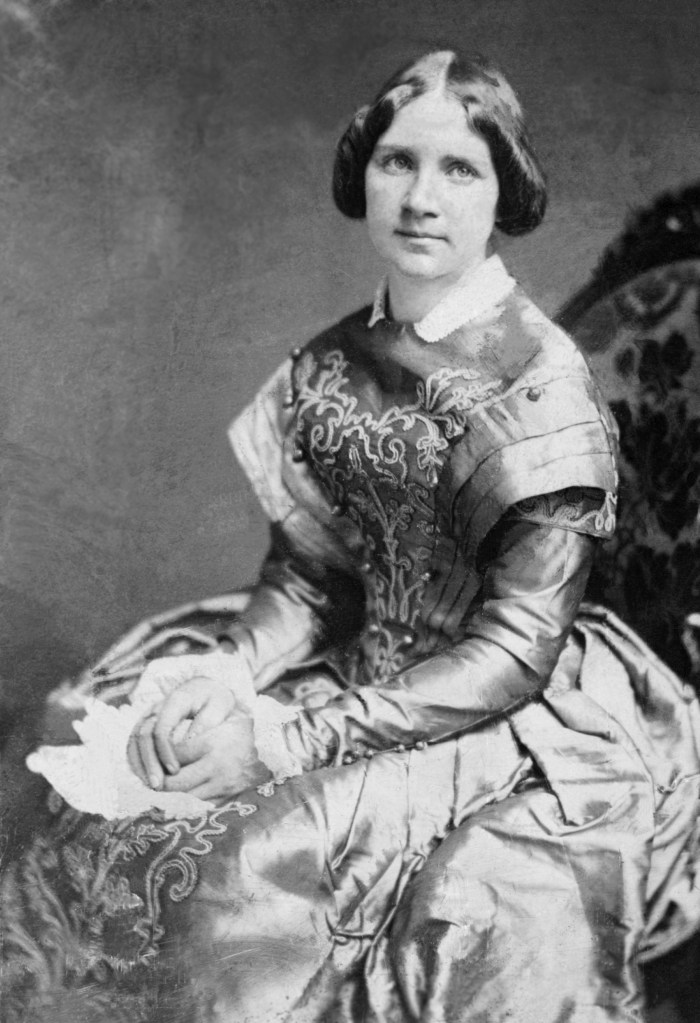
Jenny Lind was a famed opera singer, also known as the “Swedish Nightingale”, who became one of the biggest and most beloved artists in America in the 19th century. In September of 1850 Lind arrived in New York City, brought by entrepreneur P.T. Barnum, to debut her first American tour, post her retirement in Europe. Together, Barnum and Lind formed an ambitious powerhouse, spreading Lind’s name across America. As a result , Lind was famously greeted with 30,000 people upon her arrival at Canal Street pier in downtown Manhattan, which was especially impressive as her voice was never heard by these people.
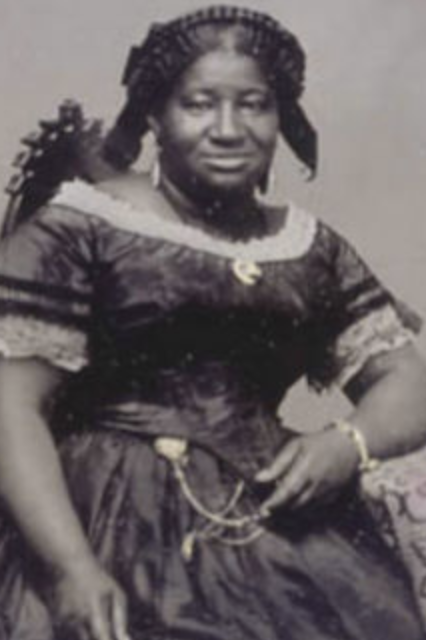
In addition to Lind, there were other, less popular but still influential, singers such as Elizabeth Taylor Greenfield. Dubbed as the “Black Swan”, Greenfield made her debut in 1851, drawing Americans in due to her musical talents as well her former slave status, which heavily influenced public opinion of her. Greenfield’s manager, James H. Wood helped her gain even more popularity and thus she was able to perform at the esteemed Metropolitan Hall (March of 1853).
Both Jenny Lind and Elizabeth Taylor Greenfield had successful careers, however their identities as artists were muddied by racial expectations. Their legacies were controlled and silenced because of racial biases, and due to demand for a representative of “white culture” by the public. What we know about both singers’ personalities is left by the quotes, descriptions, and information left behind by various critics. We do not have true, detailed, personal accounts of these women and their own thoughts of what they wanted to be defined as. Both singers’ legacy lives on today; however, unbiased details and the true personality of both artists remain a mystery because of these racial expectations and biases.
Racial expectations were a large factor in how Jenny Lind and Elizabeth Taylor Greenfield were received and understood by audiences in America. Both singers’ artistry and aspirations were drowned by these racial expectations, leading to a legacy centered around race rather than their performances itself. C.G. Rosenberg, author of Jenny Lind in America, specifically refers to Lind as a “fair Swede” when describing reactions to Lind’s charity announcement during her debut at Castle Garden, a prominent amphitheater where Lind debuted in America (26). Her Swedish heritage was one of the main foundations that created her polished reputation.1 Her charitable image was deeply tied to whiteness and racial purity, not just moral goodness. Lind gave white Americans a sense of relatability while simultaneously showing a perfected and glamorized version of whiteness which was idolized and revered as attainable. Lind became an angelic hero, saving and persevering the white race through her voice charity. The institution of slavery relied on white people to give up their culture and trade it for “whiteness”. Jenny Lind was able to create such fervor and anticipation around her image because there was already a gaping demand for more white culture, and Lind was the first to fill it. The desperation for whiteness was resolved through music, which felt more safe to rally around. However these white ideals were impossible to embody, relying on glamorizing Jenny Lind outside of her musicianship. These ideals inevitably demeaned black people and anyone who wasn’t white. Jenny Lind was also negatively impacted by her own image. Her representation led to an overwhelming passion for the white ideals she embodied rather than her voice. Barnum utilized this, which was the reason thousands of individuals greeted Lind, before hearing her voice. Lind’s aspirations and ideas surrounding what she wanted for her artistry were silenced, because she now filled the demand for a “white savior”. Not only were other races degraded, but Lind herself degraded her own identity as musician to fit into an unattainable, inauthentic version of herself, centered on race.
While race bolstered Lind’s popularity, race harmed Elizabeth Taylor Greenfield’s artistry and popularity in a more direct manner. Greenfield’s race made her into a polarizing novelty which diminished her singer persona. People continuously linked her race with her voice in the media, harming her career. Horace Greeley’s New York Daily Tribune for instance, contained race focused reviews on Greenfield. In a Tribune article by an unknown author, Greenfield is described as a “humble creature seeking to be an artist” belonging to a “despised race”. The review intertwines race in most comments made about Greenfield, showing how the public was unable to separate her from her race.2 Moreover, Greenfield’s nickname, “Black Swan” also veils racial controversy. The phrase reveals the astonishment and scandal surrounding the idea of a black opera singer. Her identity as a singer was deeply rooted in the disbelief that there was a black opera singer in itself to begin with. Unlike Jenny Lind, Greenfield’s race creates negative, impromptu judgments surrounding her voice. These preconceived perceptions on how her voice would sound, forced Greenfield into an inescapable box where racial bias would frequently affect how the public perceived her. Greenfield’s talent posed a direct threat to Lind and white supremacist ideals. If Greenfield wasn’t “bad” or represented by her race, an emptiness was left in the culture of whiteness that Lind represented. Greenfield had no choice other than to be attached to controversy.
Both Lind and Greenfield faced negative and positive consequences due to their racial identities. Lind’s whiteness at first glance benefited her reputation, creating a wild passion around her “brand”. However this brand was blemished by white savior ideals and led to Lind’s personal desires for her singing career unknown and silenced. Greenfield’s blackness created controversy that affected how the public perceived her. Her brand was attached to her race which caused people to view her performances in a negative light, or to only be looked at for her race in the first place. Any hopes of being viewed solely as an opera singer were stumped before they could take off to begin with. Lind and Greenfield’s race was so deeply tied to their image, that today their legacy is seemingly incomplete without it.
- See Rosenberg 26 for more information on Lind’s American debut at Castle Garden and her arrival in New York City.
↩︎ - Greenfield’s Metropolitan Hall performance is reviewed in “Music: Concert”, which reveals further audience reactions and more critiques on the performance. ↩︎
Works Cited
“Music: Concert” New York Daily Tribune, 2 Apr. 1853, p. 6. ProQuest.
Rosenburg, C. G. Jenny Lind in America. Stringer & Townsend, 1851.
 GIRLS IN MUSIC
Leave a comment